

Welcome to the blog!
Scroll down for the latest and greatest, filter by category, check out the most popular tutorials, or search for what you want to learn below!
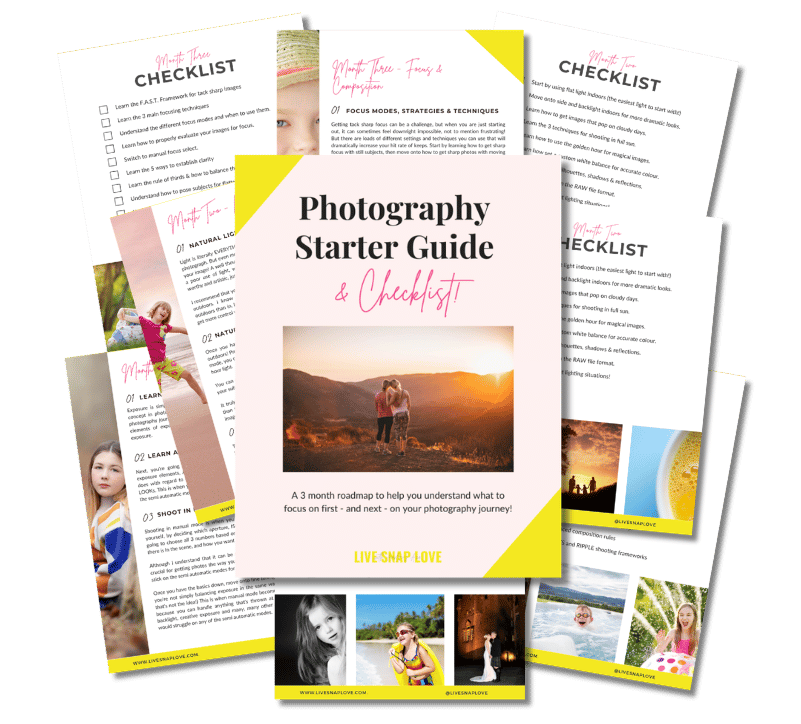
Want to learn photography but have no clue where to begin and what to learn next??!
Steal my Photography Learning Blueprint and get the clarity, checklist and step by step game plan to help you get photos you love - quickly!

My Ideas for Displaying & Saving Kids Artwork
Last week I finished photographing around three years worth of artwork and the resulting images are all now stored nice and neat on my hard drive. Whilst this is great as it means it is all backed up - and out of the way! - I don't really like having things just stored digitally. For me the whole point of keeping these is so that they can be enjoyed in years to come, but also in the here and now - people don't generally flip through a hard drive in quite the same way!
So, I had two goals in mind when photographing the artwork - Firstly to have it out on display, and secondly to have it saved for long term, but in an accessible way. Here's what I've done so far...

How to Photograph Children's Artwork
Every week my son will come home from school with at least two or three new works of art - and possibly a certificate or two - which up until now I've simply been tossing into a large storage basket. Even though not every single one makes it into the basket, the pile is still getting pretty big, so to stop it from becoming overwhelming, I've decided to take action on the artwork!

How to Use Negative Space in Photography
Negative space (sometimes also called White Space) is simply an area of "empty" space around the subject of your image. Space that is negative is usually either a neutral or contrasting background that draws your eye to the main subject of your photograph.

How to Use Window Light for Portraits: A Step by Step Guide
Want smooth, even skin and eyes that are full of life in your child portraits? I bet you do! This simple tutorial will guide you through the first steps of using natural window or doorway light to create beautiful portraits.

The 3 Types of Portrait Shots You Should Be Taking
Sometimes it can feel like we take the same images time and time again! That's why I always try to mix it up by making sure that I include three types of photos when taking images of a person.
Although that sounds like a little amount of options, within these basic types you will have a considerable amount of variation available on each one, depending on where you place your subject and where you shoot from, how you have them pose etc.
If you keep these three simple types of portrait shots in mind when shooting, you will help make sure you get a good range of photos from one session.
Ready? Let's go!

How to Use Kelvin for White Balance
White Balance is my nemesis, and I am sure it is many of yours too! There are a few ways you can set your white balance in camera - you can use Auto White Balance (not recommended!), use one of the presets available in your camera (like Sunny, Cloudy, Tungsten etc) then tweak in processing, or set a Custom White Balance, or use Kelvin...


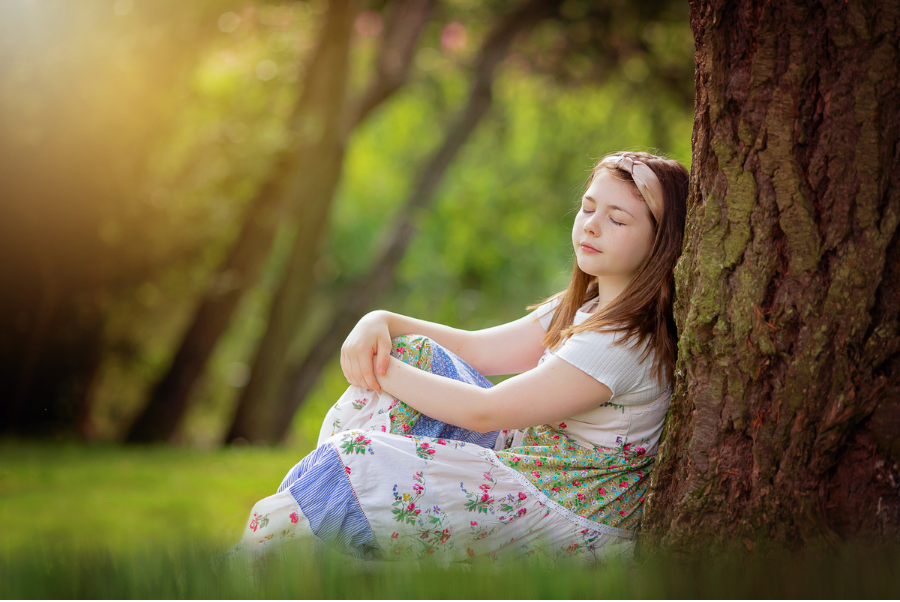


Check Out These Reader Favourites
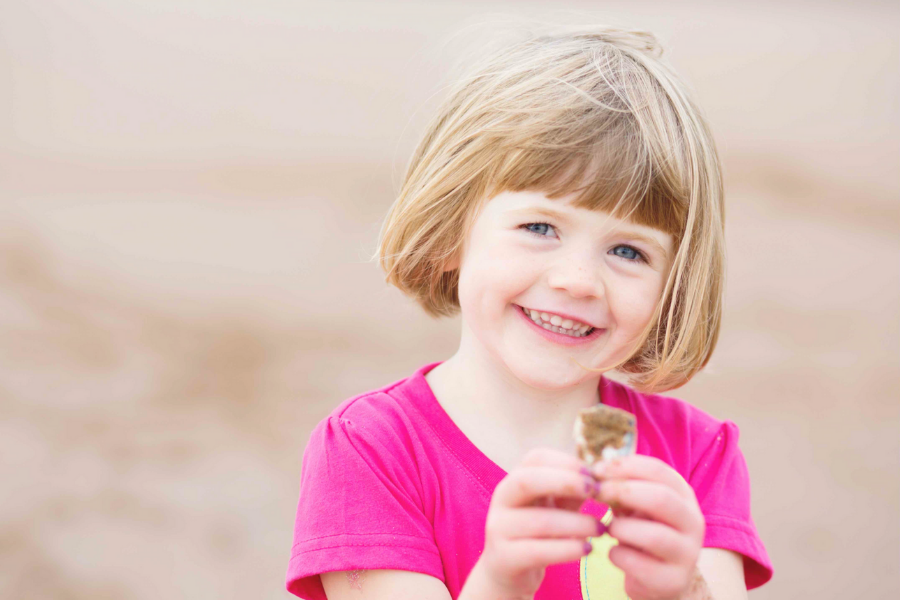


It's been quite a few years now since I made the switch from Aperture Priority Mode to shooting in Manual Mode, and it was one of the BEST things I ever did to improve my photography skills.
It was like a whole new world opened up to me, and I started TRULY understanding exposure, and in turn, getting the images that I wanted.
Of course, there was a lot to learn, and there are some things I wish I had known before I started!
So, here are 10 things about shooting in Manual Mode that you might just wish you knew…